

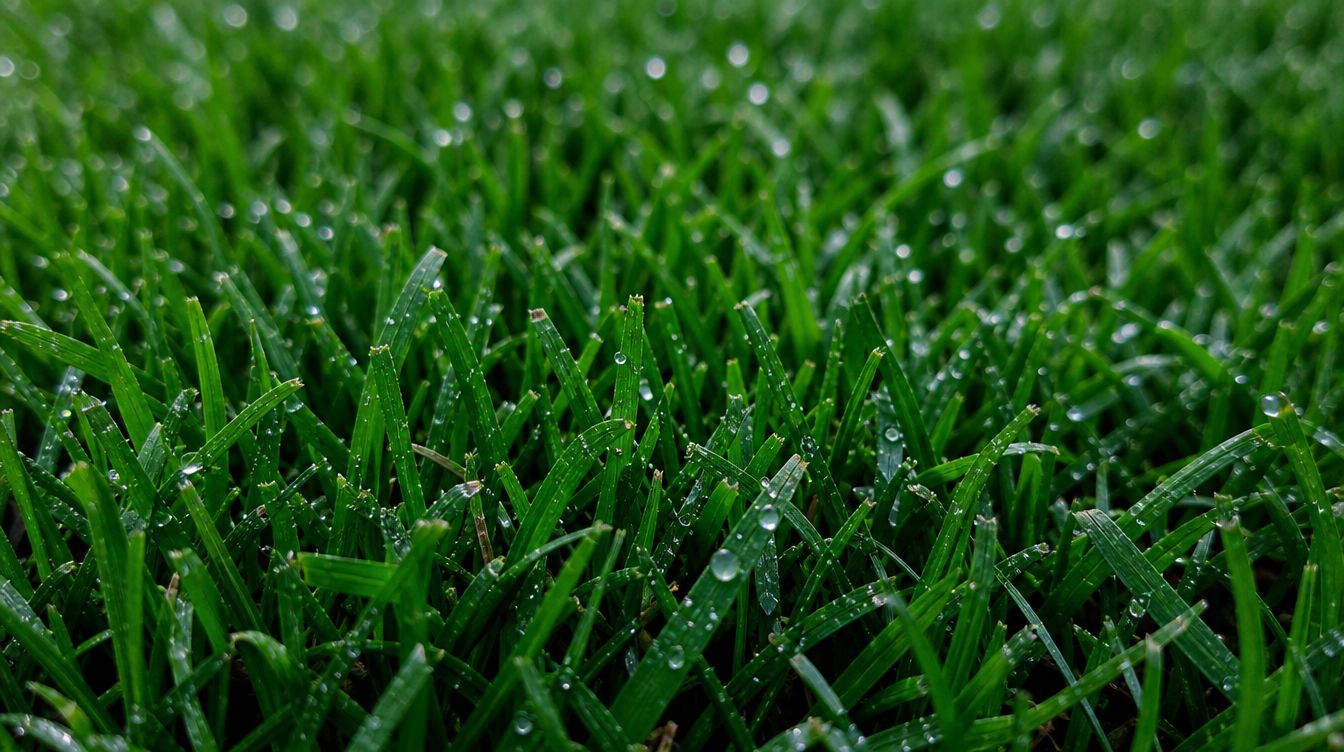
Grub damage is the lawn problem with the longest fuse. The beetles you see bouncing off the porch light in early summer are laying the eggs that become the grubs that eat your roots in August, and by the time the lawn shows it, the easy window for stopping them has already passed. Beating grubs is almost entirely a matter of understanding their calendar.
Know the Beetle Behind the Grub
White grubs are the larvae of May and June beetles, the clumsy brown scarabs that swarm lights on warm early-summer evenings. In North Texas the adults typically fly in May and June. Females tunnel a few inches into the soil, preferring moist, well-watered lawns, and lay their eggs. The eggs hatch a few weeks later, and the young grubs, white, C-shaped, with brown heads, start feeding on grass roots just below the surface. They feed and grow through late summer, then burrow deeper to wait out the winter.
When Damage Shows, and Why It Fools People
Root damage does not show up while it is happening. Through July the grass looks fine because rain and irrigation keep the shortened roots limping along. Then some hot dry week in August or September, the math fails: irregular brown patches spread, the turf feels spongy underfoot, and watering does not fix it. It reads as drought stress, which is exactly why so many people water harder while the grubs keep chewing.
Wildlife often notices before you do. Armadillos, skunks, and flocks of birds working the same patch of lawn night after night are usually digging for grubs, and their excavation can do more visible damage than the grubs themselves.
The Lift-the-Turf Test
The diagnosis costs nothing. At the edge of a damaged area, where brown meets green, grab a section of turf and pull up. If grubs are the problem, it lifts like a piece of loose carpet, because the roots anchoring it are gone, and you will see the grubs themselves in the top couple inches of soil. Count what you find in a square foot. Healthy lawns shrug off a few grubs, so finding two or three is not a crisis. Five or more per square foot, with turf lifting, justifies treatment.
Preventive vs Curative, and Why the Window Matters
Grub insecticides come in two flavors, and the difference is timing. Preventive products, like chlorantraniliprole or imidacloprid, are applied in June to early July, so the treatment is waiting in the root zone when eggs hatch. Newly hatched grubs are small, shallow, and easy to kill, and prevention timed to that window is highly effective. Curative products are the late-summer option once damage appears, and they are a genuinely harder job: the grubs are large, tougher, and feeding deeper. Either way, water the treatment in with about half an inch of irrigation, because a grub product sitting on top of the thatch is not treating anything.
One more honest note: a bad grub year does not guarantee another one. Beetle pressure moves around, so the smart routine is a lift test at the edge of any suspicious patch each August rather than blanket treatment forever.
If your turf is lifting, or last year's damage has you wanting prevention timed right this year, Milliken's runs grub treatments across Rockwall County matched to that hatch window, which is when the treatment actually earns its cost.
